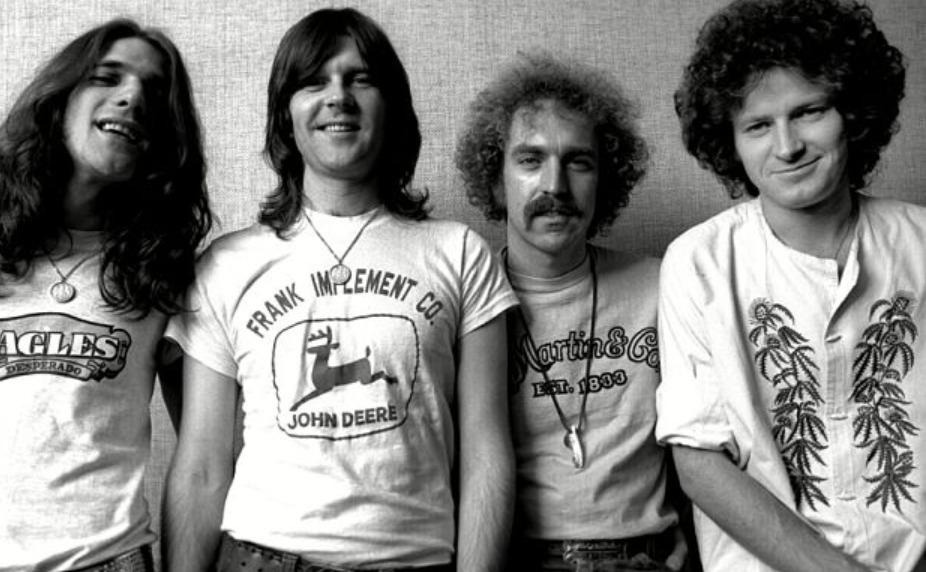
When fans celebrate the Eagles’ legacy, they often talk about two things: the hits that defined a generation and the tension that simmered behind the scenes. In June 1977, during a tour stop in Knoxville, Tennessee, that tension erupted. According to multiple recollections, a heated argument between Glenn Frey and bassist Randy Meisner escalated into a physical altercation, drawing the attention of police stationed backstage. What unfolded became one of the band’s most notorious flashpoints—an episode that revealed just how fragile the Eagles’ inner balance had become at the apex of their fame.
The Night Things Went Too Far
Accounts describe a post-show confrontation that began as an argument and turned into a scuffle. Officers reportedly moved in to intervene, only for Don Henley to step between the authorities and his bandmates, urging them to let the group handle its own problems. Whether viewed as misguided loyalty or necessary protection, that moment captured the Eagles’ complicated code: the show must go on, and family business stays in the family—even when that “business” is coming apart at the seams.
The Pressure Behind “Take It to the Limit”
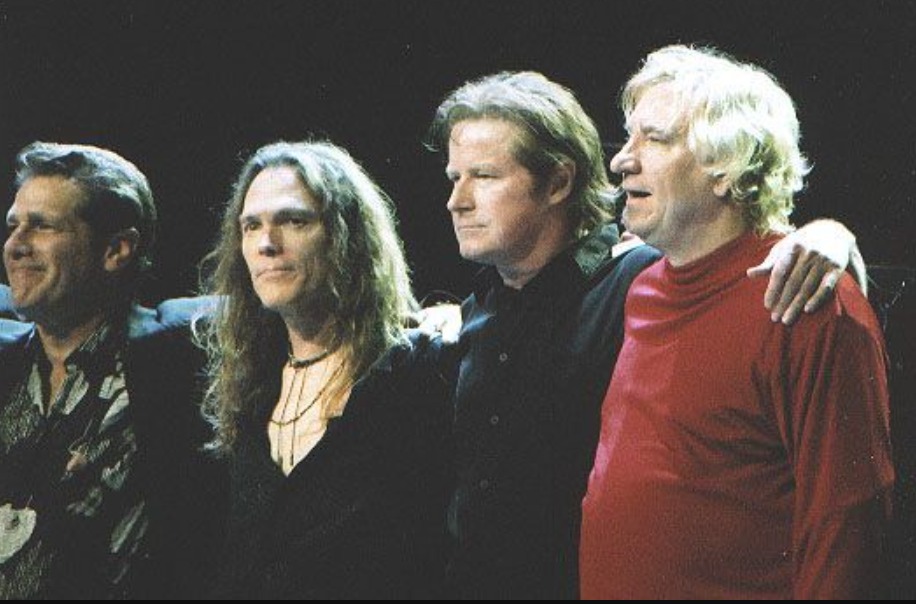
At the center of the dispute sat one of the band’s most beloved songs, “Take It to the Limit.” The piece was a live show centerpiece, climaxing with an altitude-high note sung by Meisner. Night after night, the demand for that peak became a burden. Touring fatigue, illness, and the creeping anxiety of possibly missing the note weighed heavily on him. As 1977 wore on, what had once been an exhilarating showcase began to feel like a trap; the audience expected the magic, but the singer was increasingly unsure whether his voice would deliver on command.
“I was always kind of scared basically. ‘What if I don’t hit it right?’ It was a pretty high note.”
Meisner’s private dread eventually spilled into public conflict. On the Knoxville night, he reportedly signaled that he wouldn’t—or couldn’t—take the song to its climactic finish. The rest of the band saw that refusal as an existential threat to the show. The crowd had paid to hear the hits, and leadership within the group believed their responsibility was to deliver. Frustration flared, and long-simmering resentments about workload, control, and spotlight time fueled the confrontation that followed.
From Encouragement to Ultimatum

Some retellings say Frey first tried to coax Meisner back onstage, framing the moment as manageable: take a breath, hit the note, give the audience the moment it came for. But encouragement soon gave way to anger as the stalemate held. Harsh words were exchanged. Meisner, under intense stress and by some accounts not at his physical best, reacted with fury. The argument turned physical—Meisner later described throwing a punch—and police who were on hand for security began to step in.
“Randy, it’s going to be okay, you can sing it, let’s just go back out and do it.”
Even amid the chaos, the band’s internal code seemed to prevail. Henley reportedly blocked the officers from escalating the confrontation, insisting the matter was personal. In the aftermath, Frey would characterize the blowup as a point of no return—a sign that Meisner’s time with the group was nearing its end. Meisner, for his part, later lamented the punch as an error but pushed back on the legend of constant brawling, insisting that disagreements were more common than true fights.
“Ok, don’t sing it. Why don’t you just quit? You say you are unhappy, quit.”
The Exit and the Cost
By September 1977, Meisner departed the Eagles, officially citing exhaustion. The decision closed a chapter for a founding member whose sweet harmonies and melodic bass lines helped define the band’s sound. It also underlined the invisible toll of perfectionism in a mega-touring rock act. “Take It to the Limit” remained a classic, but the human being who made its crescendo soar had reached his limit. The Knoxville incident didn’t cause every subsequent fracture within the Eagles, but it forecast how ambition and expectation could collide with human limits—and shatter bonds in the process.
Years Later: Grief, Respect, and Reflection
Decades after the 1977 fight, the band’s history took a somber turn when Glenn Frey died in January 2016. The news hit the music world hard—and it struck Meisner deeply. He expressed shock and sorrow, recalling Frey’s energy and saying he had believed Glenn would outlast the rest of them. Whatever tempests had once torn at the group, time reframed the story: not as a tabloid headline, but as the complicated legacy of people who built something extraordinary under relentless pressure.
“All day yesterday, I was like a zombie. He was the last person I expected to go first. He was such an energetic guy.”
Legacy of a Flashpoint
In the end, the Knoxville backstage fight endures as more than rock-and-roll lore. It’s a case study in the collision between artistry and expectation—how a song’s most thrilling moment can become a nightly gauntlet, and how a fragile human voice can buckle under the weight of public demand. The police presence that night symbolizes how far things spiraled; Henley’s intervention shows how tightly the band tried to hold its world together. The Eagles kept flying, but not without cost. For fans, the music remains immortal. For the people who made it, nights like Knoxville left scars—and lessons—about the price of taking it to the limit.